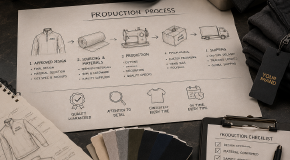
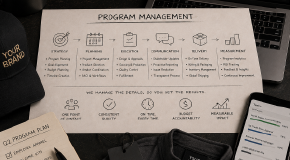
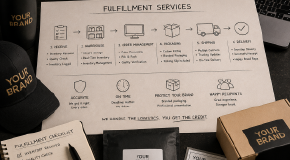
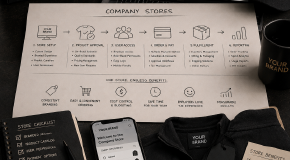
Your brand isn’t judged by the products you order. It’s judged by the experiences you create. We become your outsourced merchandise department, combining strategy, creative, sourcing, company stores, fulfillment, and reporting to turn branded merchandise into one of your most valuable marketing assets.
Trusted by organizations that expect more than another “vendor”
Most Companies Buy Merch. Very Few Actually Manage it.
Most companies do not have a merchandise strategy. They have scattered vendors, last-minute requests, inconsistent branding, boxes of leftover inventory, and no single person accountable for the outcome. Merch becomes an errand instead of a business tool.
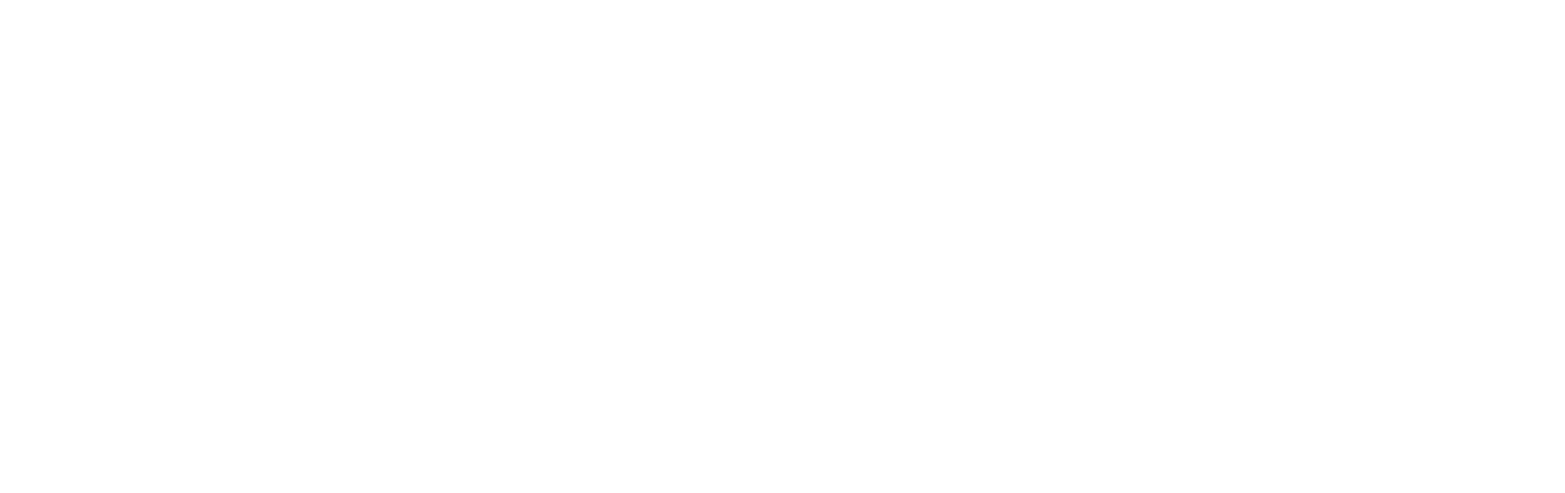
We treat merchandise like a real media channel. Every item should have a job, whether that is building culture, supporting sales, improving an event, recognizing employees, strengthening loyalty, or keeping your brand in someone’s life long after the moment is over.
KP Innovations becomes your retained merch team. (Your Chief Swag Officers. We help plan the strategy, develop the creative, source the right products, manage production, build stores, coordinate fulfillment, and bring ownership to the entire program. One partner. One standard. Someone actually accountable.
The best merchandise does not feel like “swag.” It feels useful, intentional, personal, and worth keeping. That is the difference between putting a logo on a product and building a merchandise program that actually does something for the business.
There is a difference between a Vendor and a Partner.
Anyone can sell you a branded polo. Very few can build a merchandise program that supports your brand, your culture, your employees, and your business goals.
Traditional Vendor
×Waits for your order
×Focuses on products in a catalog
×Quotes projects
×Multiple vendors
×Measures orders
×Delivers products
×Ends after delivery
KP Innovations
Strategic Partner
✓Builds a long-term merchandise strategy
✓Focuses on outcomes
✓Manages programs
✓One strategic partner
✓Measures impact
✓Builds systems
✓Continues optimizing year-round
One sells products. The other builds a competitive advantage.
You already have experts responsible for your finances, your marketing, your operations.So why is nobody responsible for the branded merchandise representing your company every day?
That's where we come in.
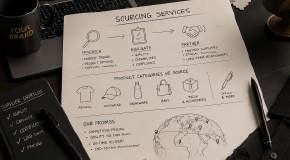
As your outsourced Chief Swag Officer, we take ownership of your entire merchandise ecosystem, helping you spend smarter, create stronger brand experiences, and eliminate the chaos that comes from managing it across multiple departments and vendors.
Strategy & Planning
Every dollar starts with a purpose.
We develop annual merchandise roadmaps aligned with your goals, budgets, and initiatives.
Creative & Production
Products people actually want to wear, use, and keep.
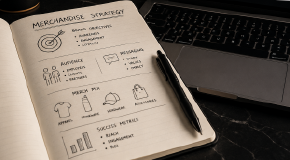
From private label apparel to premium promotional campaigns, every piece is designed to elevate your brand.
Program Management
We don't disappear after delivery.
We manage vendors, inventory, company stores, reporting, and ongoing optimization so your merchandise keeps performing long after it's delivered.
We have worked with KP Innovations for many years and have produced duffle bags, polos, hats, and other private-label apparel. They have consistently delivered high quality products that align perfectly with our brand standards. Their communication, responsiveness, and overall professionalism have made the entire process smooth and reliable. Every project has been handled with attention to detail and a strong commitment to quality. KP Innovations is a valuable partner for our team, and we've been extremely pleased with the results.
CS
Chad SiererMcLaren Philadelphia
★★★★★
We have worked with KP Innovations on items such as polos, hats, and other private-label apparel, and they have consistently delivered high-quality products that align perfectly with our brand standards. Their communication, responsiveness, and overall professionalism have made the entire process smooth and reliable. Every project has been handled with attention to detail and a strong commitment to quality. They have been able to handle every request we have thrown at them, from sourcing particular garments to color matching, and even more unique requests like custom paperclips. All delivered as we envisioned. KP Innovations is a valuable partner to our team and we have been extremely please with the results.
MN
Mike NoceRDS Automotive Group
★★★★★
We are extremely satisfied with the KP Innovations team and the Founder/CEO Kevin Patrick. We have worked with KP Innovations on items such as custom polos, hats, and other private-label apparel, and they have consistently delivered high-quality products that align perfectly with our brand standards. We especially appreciate the work that has been done around our charity events to help find a cure for childhood cancer. The custom polos for the event were exceedingly high quality and sought out by many, including the founder of the national charity we supported. Everyone that I have encountered from KP Innovations has been professional, insightful, and responsive, often going above and beyond to ensure complete satisfaction. Because of the exceptional service, quality work, attention to detail, reliability, and overall professionalism, KP Innovations will continue to be a selected partner as a trusted partner.
CT
Chris TharpNorthwestern Mutual Eastern PA
★★★★★
KP Innovations was great to work with. The entire process was smooth from start to finish. Communication was clear, turnaround time was fast, and the products were exactly what we needed. It's always refreshing to work with a company that's responsive and reliable. I'd definitely recommend them and would happily work with them again in the future!
SN
Sierra NasirMerakey
★★★★★
We had an excellent experience working with KP Innovations for our custom hats and polos. From start to finish, their communication was clear, responsive, and professional, which made the entire process smooth and easy. The quality of the materials really stood out — everything feels durable, well-made, and looks sharp. The customization came out exactly how we envisioned it, with great attention to detail. You can tell they take pride in their work. Lead times were realistic and met as promised, which is not always the case in this industry. On top of that, the value for what we received was strong — high-quality products at a fair price. Overall, it was a great experience working with KP Innovations. We'll definitely be using them again and would recommend them to anyone looking for reliable, high-quality custom apparel.
DR
Darryl RosenbaumBigFoot Windows and Roofing
★★★★★
Kevin worked with us to identify a set of options that met our needs. Then helped us refine it, optimize shipping and design. The order arrived a few days earlier than promised and looks great. Good service, timeliness, and pricing.
ME
Mike EngilesCrystal River Watersports
★★★★★
I've had the pleasure of working with Kevin Patrick and KP Innovations for several years now. He was recommended to us through a mutual professional acquaintance, and we couldn't be more thrilled to work with him and his team. Throughout all the demands, both foreseen and those that pop up at the last minute, Kevin has approached every request with true professionalism and has put in late hours to match cadence with our business, something not seen in every business relationship. Whether it's our staff shirts, several styles of hats, chef coats or even helping design our cocktail menu in Adobe Illustrator (which is not an easy task!) The finished product always matches and often exceeds our expectations. From the high quality materials, design-work and finished product, Kevin and his team burn the midnight oil alongside us to ensure we have the items we need to keep pushing our business forward. Coming from the last sentence in our mission statement — "We seek to build strong, lasting relationships with our team members, guests, and vendors while overdelivering value in our community." Black Sheep and KP Innovations most certainly have developed a lasting business relationship where we can rest easy knowing we are in very capable hands with Kevin.
VC
Vincent ComunaleBlack Sheep Bar & Provisions
★★★★★
Such a pleasure to do business with — items delivered on time as quoted, at price quoted, excellent service. I highly recommend.
WD
William DannehowerAutoExpress PA
★★★★★
I had the pleasure of working with KP Innovations, and I can't recommend them highly enough! From the start, their team was incredibly professional, attentive, and dedicated to understanding my vision. They took the time to carefully listen to my needs and delivered a design that far exceeded my expectations. The creativity and attention to detail they brought to the project were outstanding, and they were always open to feedback and adjustments throughout the process. Their ability to balance functionality with aesthetic appeal is truly remarkable. If you're looking for a design company that is reliable, innovative, and delivers high-quality results, KP Innovations is the one to go with!
DC
Daniel CastrogiovanniCopeland Capital
★★★★★
We had an amazing experience working with KP Innovations! They went above and beyond to help us with our website, marketing, and product needs. Their team is professional, creative, and responsive, delivering high-quality results that exceeded our expectations. Thanks to their expertise, we've seen significant improvements in our online presence and overall business performance. Highly recommend their services!
DS
Dimitri SmithBlaq Roosters
★★★★★
KP kept me informed, helped me with changes and provided a great product at a fair price. Thanks for all of your hard work. Very happy!
MM
Michael MoserJohn G. Moser & Sons
★★★★★
Absolute pleasure working with Kevin! He was able to quickly help my team and I work through marketing materials to help with our company branding. Will certainly look to utilize his support in the future!
EM
Eric MieleUnified Cleanroom Constructors
★★★★★
Kevin and the team at KP Innovations helped us create custom wheel lock bags and service keychain tags that have become part of our daily operation. What started as a simple idea turned into a practical solution that keeps our shop organized while reinforcing our brand with every customer interaction. The quality exceeded our expectations, the process was smooth from start to finish, and the attention to detail was outstanding. These aren't just promotional items. They're tools we use every day that make our operation more professional and improve the customer experience. If you're looking for someone who thinks beyond putting a logo on a product, KP Innovations is the team to call.
AL
Austin LutzBAM! Automotive
★★★★★
Thank you for making this a great process to work through.
CC
Chrsitina CliftonTPC Group
A system, Not a scramble.
Great merchandise doesn’t happen by accident. It happens through a repeatable process.
Audit
We evaluate your current vendors, spending, inventory, branding, and programs to uncover opportunities and eliminate waste.
Step_01
Strategy
Together, we build a merchandise roadmap that supports your employees, customers, recruiting, sales, events, and brand initiatives.
Step_02
Build
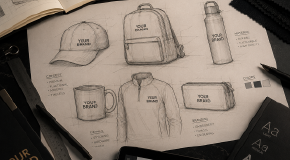
Creative design, sourcing, production, company stores, fulfillment, onboarding kits, uniforms, recognition programs, and more — all under one roof.
Step_03
Manage & Optimize
We measure performance, manage inventory, report on activity, and continuously improve your merchandise program throughout the year.
Step_04
Merch Is Media™
A billboard is something you rent. A hoodie you buy and someone chooses to wear for three years. One of these is a better media buy.
Generic product suggestions are easy. What separates Merch Is Media™ is deep, industry-specific thinking. We’ve built playbooks for how your sector should approach merchandise — not just what to buy, but why, when, and what it should accomplish.