
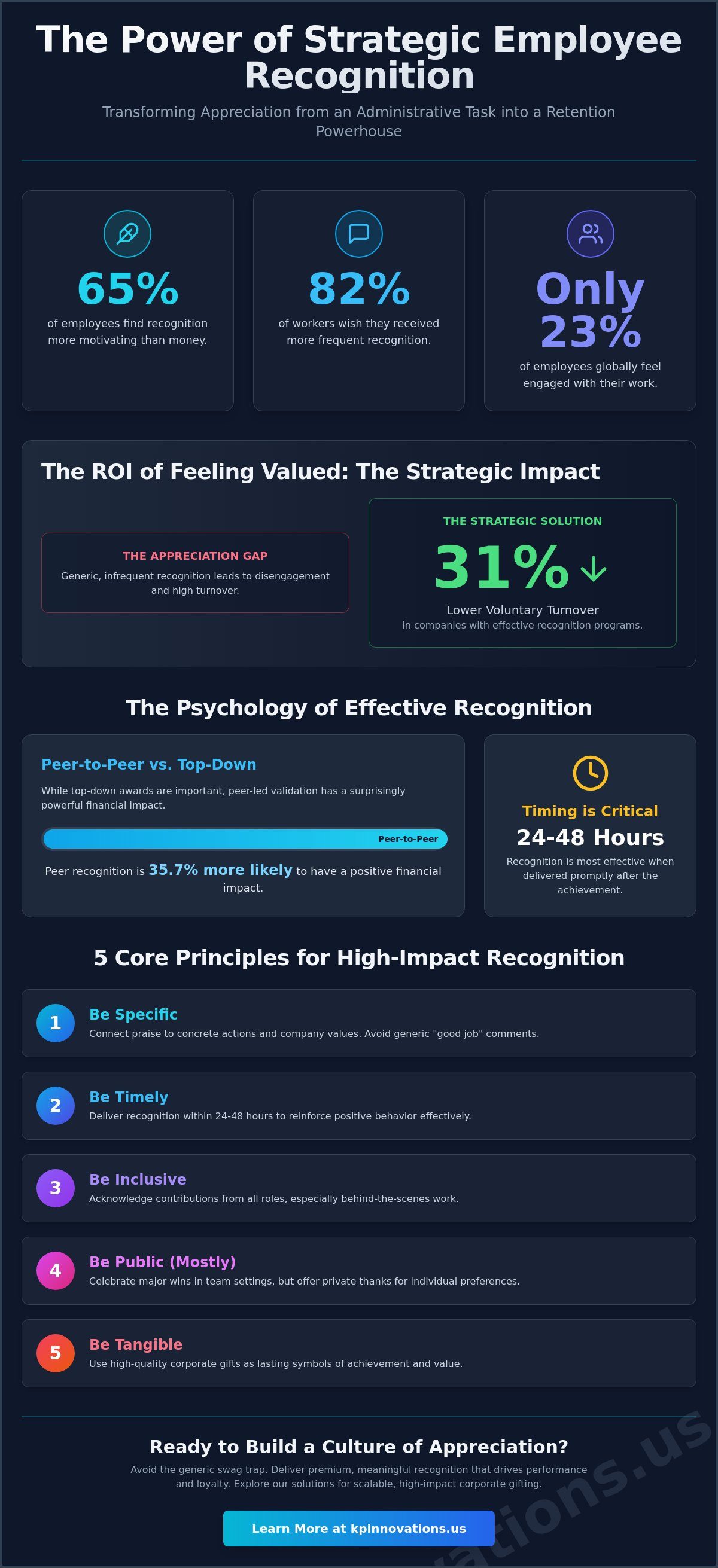
Did you know that 65% of employees report that recognition is more motivating than money? You likely understand that a simple thank you carries weight, yet many leaders worry that their appreciation efforts will come across as generic or uninspired. It’s a valid concern. When recognition feels like a routine chore, it fails to impact the 82% of workers who say they want more frequent validation. To solve this, savvy organizations are moving toward high-quality corporate gifts for employee recognition that reflect a premium brand standard and genuine gratitude.
We agree that your workforce is your most valuable asset and deserves better than “cringe” or low-effort perks. This guide will show you how to transform recognition from a basic administrative task into a strategic culture-builder that can lower voluntary turnover by 31%. You’ll gain a clear roadmap for delivering meaningful appreciation that drives performance through 2026. We’ll examine how to use data-driven insights and sophisticated logistics to ensure every gesture of thanks feels personal, professional, and impactful.
Key Takeaways
- Discover why strategic appreciation is a critical requirement for navigating the 2026 retention crisis and driving long-term employee performance.
- Learn to apply high-precision recognition principles that focus on specific achievements and immediate delivery to maximize psychological impact.
- Understand how to select premium corporate gifts for employee recognition that reinforce your brand’s status while avoiding the common trap of low-quality, generic items.
- Explore specialized methodologies for scaling appreciation through online company stores and global fulfillment services to support a unified culture for remote and hybrid teams.
Understanding the Impact of Authentic Employee Appreciation
Authentic appreciation is more than a polite gesture; it’s a strategic business imperative. In the current market, we define employee appreciation as the proactive acknowledgment of both an individual’s measurable results and their intrinsic value to the firm. This distinction is vital as we face the 2026 Retention Crisis. With global engagement levels hovering at a mere 23%, leaders can no longer treat gratitude as an optional “extra.” It is the foundation of a resilient, high-performing workforce.
Many organizations fall into a systemic “Appreciation Gap.” While managers might feel they’re doing enough, a staggering 82% of employees report they wish they received more recognition for their work. This disconnect often happens because leaders confuse transactional incentives with relational appreciation. Incentives are “if-then” rewards that focus strictly on the task completed. In contrast, meaningful appreciation focuses on the person. Utilizing high-quality corporate gifts for employee recognition serves as a physical touchpoint for this relational bond, turning a fleeting moment into a lasting asset. For a deeper understanding of employee recognition, it’s helpful to view it as a continuous cycle of feedback rather than a once-a-year event.
The ROI of Feeling Valued
When employees feel genuinely seen, the business results are undeniable. Recognition acts as a direct buffer against burnout and a catalyst for sustained productivity. Statistics show that companies with effective recognition programs experience 31% lower voluntary turnover. This isn’t just about internal morale; your internal culture directly shapes your external brand reputation. High-tier talent gravitates toward environments where their contributions are validated with precision. Strategic Appreciation acts as a primary driver of 2026 business growth by aligning individual recognition with organizational objectives.
The Psychology of Recognition
The human brain is wired for validation. A well-timed “thank you” or a thoughtful gift triggers a dopamine response that reinforces positive behaviors. However, the source of that validation matters. Peer-to-peer recognition is 35.7% more likely to have a positive financial impact than top-down awards alone. Timing is also critical. Recognition is most effective when it occurs within 24 to 48 hours of the achievement. Conversely, generic or “cheap” efforts can backfire. If an employee receives a low-quality item that feels like an afterthought, it can actually decrease motivation by signaling that their hard work isn’t worth a premium investment. Using corporate gifts for employee recognition that reflect quality ensures the message of value is clear, professional, and sincere.
5 Core Principles for Effective Recognition
Recognition isn’t a one-size-fits-all solution. To move beyond generic tactics, leaders must adopt a framework based on precision and intention. When appreciation is handled with the same strategic care as a marketing campaign, it transforms from a “nice-to-have” into a powerful retention tool. Effective recognition relies on five foundational pillars:
- Be Specific: Move beyond “Good job.” Instead, say: “I noticed how you handled the client objection in the Q3 meeting by focusing on our core value of transparency.”
- Be Timely: Recognition is most effective within 24 to 48 hours of the event. The longer the delay, the less impact the praise has on future behavior.
- Be Inclusive: Ensure behind-the-scenes roles are as visible as sales. Operational excellence keeps the business running and deserves equal spotlight.
- Be Public (Mostly): Use a “Wall of Fame” or team meetings for major wins, but respect those who prefer a private note for individual milestones.
- Be Tangible: Digital shout-outs are temporary. Physical corporate gifts for employee recognition serve as enduring symbols of achievement that stay on a desk or in a home office.
The Power of Specificity
Precision is the difference between genuine gratitude and a management tactic. We recommend a three-part framework for every thank-you: Observation, Impact, and Gratitude. You start by stating exactly what you saw, explain how it helped the team or brand, and conclude with sincere thanks. This structure prevents empty praise that employees often see through. It’s also wise to ask your team about their recognition preferences. Some value corporate gifts for employee recognition like premium custom apparel, while others might prefer a professional development opportunity.
Timeliness and Consistency
The “Annual Only” recognition model is a relic of the past. Only 17% of employees report being recognized on a weekly basis, creating a massive opportunity for brands to stand out. Setting a recognition cadence for your leadership team ensures that wins don’t go unnoticed during busy seasons. Use your weekly team meetings to highlight the “wins of the week” and tie them back to company goals. Strategic partners who provide advanced fulfillment and logistics can help you maintain this consistency by ensuring physical rewards arrive exactly when the achievement is fresh in the employee’s mind. Consistency builds trust; it proves that you’re always paying attention to high performance.
Creative Appreciation Ideas for the Modern Workplace
Standard recognition programs often fail because they lack imagination. To truly resonate in 2026, your strategy must move beyond static awards and embrace items that integrate into an employee’s lifestyle. High-impact corporate gifts for employee recognition should serve as functional assets that reinforce a sense of belonging. By aligning physical rewards with specific professional milestones, you create a culture where every achievement feels seen and valued.
- Professional Development: Reward specialized training graduations with premium custom apparel. A high-quality jacket or bag branded for a specific certification acts as a badge of honor within the team.
- Wellness Focus: Support healthy habits for remote teams with branded fitness trackers or premium hydration kits. These items demonstrate a genuine commitment to employee well-being.
- Milestone Kits: Curated boxes for work anniversaries should reflect tenure. A one-year kit might focus on workspace essentials, while a five-year kit features luxury lifestyle items.
- Peer-to-Peer Props: Empower your team to recognize each other. Implementing a system where colleagues can award branded gear to one another increases the frequency and authenticity of appreciation.
Remote and Hybrid Recognition
Remote workers often feel isolated from the physical culture of an office. You can bridge this gap with a “Desk Drop” equivalent delivered directly to their home through global fulfillment and logistics. Imagine a surprise delivery of premium branded drinkware just before a virtual coffee break. This physical touchpoint ensures that remote employees feel as visible and integrated as their in-office counterparts. It turns a standard video call into a shared, tangible brand experience.
Celebrating Personal and Professional Growth
Authentic appreciation extends beyond the quarterly report. Marking significant life events, such as moving into a new home or completing a degree, builds deep relational loyalty. Custom awards that symbolize specific company values can also be used to mark these transitions. For teams looking to support their newest talent, providing thoughtful graduation gifts for interns is an excellent way to begin the relationship on a high note. These gestures prove that your brand values the person, not just the output. By investing in corporate gifts for employee recognition that celebrate the whole individual, you foster a more resilient and dedicated workforce.
Avoiding the Generic Swag Trap: Quality Over Quantity
The most common objection to traditional recognition programs is simple: “I don’t want more junk in my house.” When appreciation efforts consist of low-quality items that break or feel disposable, the message sent to the employee is that their contribution is equally disposable. This “Landfill Factor” does more than just waste budget; it actively hurts your brand reputation. High-achieving professionals want to be associated with excellence. If your corporate gifts for employee recognition don’t meet retail-quality standards, they won’t be used, worn, or valued.
We’ve seen a decisive shift toward retail-quality merchandise that employees actually want to wear in their personal time. Private label apparel allows you to create high-end, custom clothing that fosters genuine pride rather than just acting as a walking billboard. By choosing materials and fits that rival luxury brands, you turn a simple piece of clothing into a strategic asset that reinforces the employee’s status within the organization. Quality is the silent language of respect.
Strategic Merchandise Selection
Selecting the right items requires a mindset focused on utility and longevity. A premium stainless steel tumbler will sit on a desk for years, while a handful of plastic pens will be lost or discarded within a week. You should treat every piece of merchandise as a cultural investment rather than a one-off expense. To better understand how to select items that resonate, you can explore this guide on What Are Promotional Products? to see the difference between generic items and strategic branded assets. Focus on products that solve a problem or enhance the daily life of your team.
The White-Glove Experience
The presentation of a gift often carries as much weight as the item itself. A “White-Glove” approach ensures that the unboxing experience feels intentional and premium. This includes using custom packaging, high-quality tissue, and discrete, professional branding that highlights the achievement rather than just the logo. Personalization adds a layer of sophistication that mass-produced items lack. A single $50 high-quality item creates a more profound and lasting psychological impact than five $10 items that eventually clutter a junk drawer. To start building a recognition program that reflects your brand’s high standards, you can consult with our strategic merchandise experts to design a custom solution that avoids the generic swag trap.
Scaling Appreciation with KP Innovations
Scaling a recognition culture requires more than just good intentions; it requires robust infrastructure. Many organizations struggle with the logistics of managing corporate gifts for employee recognition across multiple regions or hybrid teams. This is where KP Innovations transitions from a provider to a strategic partner. We manage every detail of the process, from initial design and global warehousing to final mile delivery. This comprehensive support ensures your HR team can focus on people and performance rather than logistics and paperwork. Our goal is to reduce your administrative burden while elevating the impact of every gift you send.
We believe that high-tier recognition should be as sophisticated as your external marketing. This involves moving beyond standard, off-the-shelf products to embrace customization from the ground up. By utilizing private label apparel and custom-manufactured goods, you provide rewards that employees cannot find anywhere else. This exclusivity fosters a deep sense of pride and belonging. We don’t just put a logo on a shirt; we create a strategic asset that reflects your brand’s commitment to excellence and quality.
The Company Store Solution
Empowerment is a key driver of engagement. By implementing a custom Online Company Store, you allow employees to select their own rewards from a curated collection. This ensures the items they receive are personally relevant and highly valued, eliminating the risk of “junk” that ends up discarded. Our portals manage complex points-based systems and departmental budgets with precision, streamlining the distribution of corporate awards and recognition items. It’s a sophisticated way to maintain a unified brand experience while respecting individual preferences and maintaining strict fiscal control.
White-Glove Fulfillment & Logistics
Reaching a distributed workforce shouldn’t be a source of stress for your leadership team. Our fulfillment and logistics services provide a “White-Glove” experience that reaches every remote employee’s door, regardless of their location. We handle the warehousing, kitting, and global distribution of custom swag boxes that arrive with the same premium presentation as an in-office gift. This level of care ensures that a home-office “desk drop” feels just as significant as a public ceremony. If you are ready to elevate your culture, contact KP Innovations for a custom strategy today and discover how we turn appreciation into a measurable driver of retention.
Secure Your Competitive Edge Through Strategic Appreciation
Building a culture of appreciation is a deliberate investment in your brand’s long-term resilience. You’ve seen how authentic recognition requires a commitment to quality that avoids the generic “swag” trap while prioritizing retail-grade corporate gifts for employee recognition. By treating every reward as a strategic asset, you signal to your team that their contributions are valued with the same precision as your highest business objectives.
KP Innovations provides the sophisticated infrastructure needed to scale this vision across your entire organization. With access to over 1.2 million premium products and deep expertise in custom private label apparel, we help you create meaningful touchpoints that foster genuine pride. Our white-glove global fulfillment and logistics manage every detail to ensure your message of gratitude arrives perfectly, no matter where your team is located.
Elevate Your Team Culture with Premium Recognition Kits and transform your employee experience into a primary driver of performance. Your workforce is ready to reach new heights when they know their hard work is recognized with excellence.
Frequently Asked Questions
How much should I spend on employee appreciation gifts?
Budgeting for appreciation should prioritize quality over quantity. For tax purposes, tangible gifts valued at $100 or less are generally considered de minimis fringe benefits and are not taxable to the employee. If you are implementing a qualified plan for length of service or safety achievements, you can provide up to $1,600 in tax-free tangible personal property per year. Focus your spend on high-tier items that reflect your brand’s standards rather than cheap bulk goods.
What is the difference between employee recognition and employee appreciation?
Recognition is a transactional response to performance, while appreciation is a relational response to a person’s value. You recognize an employee for hitting a specific sales target or completing a project. You appreciate them for their unique perspective, their reliability, or the positive energy they bring to the team. A balanced strategy uses corporate gifts for employee recognition to mark milestones while using consistent verbal praise to show genuine appreciation for the individual.
How do you make remote employees feel appreciated?
Bridge the physical gap by using global fulfillment services to deliver premium gift kits directly to their home offices. Remote workers often miss out on the spontaneous “desk drops” that happen in a physical office. Sending a curated box of high-quality custom apparel or branded tech accessories ensures they feel just as seen and valued as their in-office counterparts. These physical touchpoints turn a digital relationship into a tangible brand experience.
Is a thank you email enough to show appreciation?
While a thank you email is a professional first step, it lacks the lasting psychological impact of a physical reward. Digital messages are easily archived and forgotten. In contrast, corporate gifts for employee recognition serve as enduring symbols of achievement that sit on a desk or are worn in public. Tangible items provide a constant reminder of the firm’s gratitude, which is why 82% of employees report wishing they received more substantial recognition.
How often should I recognize my employees?
Recognition should be both timely and frequent. You should aim to acknowledge a win within 24 to 48 hours of the event to maximize the dopamine response. While major awards might happen annually, smaller gestures should occur much more often. Currently, only 17% of employees report being recognized on a weekly basis. Increasing this frequency through peer-to-peer programs or “win of the week” shout-outs can significantly lower voluntary turnover rates.
Can too much appreciation be a bad thing?
Appreciation only loses its value if it becomes generic, unearned, or insincere. When praise is handed out for basic job requirements without specificity, it can feel like a management tactic. However, authentic appreciation that is tied to specific behaviors and company values is rarely “too much.” As long as the recognition remains meaningful and focused on high-quality standards, it will continue to drive motivation and reinforce a positive culture.
What are the best types of physical awards for a recognition program?
The most effective physical awards are retail-quality items that employees would choose to buy for themselves. This includes private label apparel with discrete branding, premium stainless steel hydration kits, and high-end tech accessories. Avoid “junk” items that serve no functional purpose. Choosing functional, high-status items ensures the gift is used daily, providing a consistent reminder of the employee’s value to the organization and their professional status.
How do I start an employee appreciation program on a budget?
Start by empowering your team with a peer-to-peer recognition system. Peer recognition is 35.7% more likely to have a positive financial impact than top-down awards and costs nothing to implement. When you are ready to invest in physical items, choose a “quality over quantity” approach. It’s better to give one $50 high-quality item that lasts for years than five $10 items that end up in a landfill. Focus your limited budget on the most impactful milestones.